
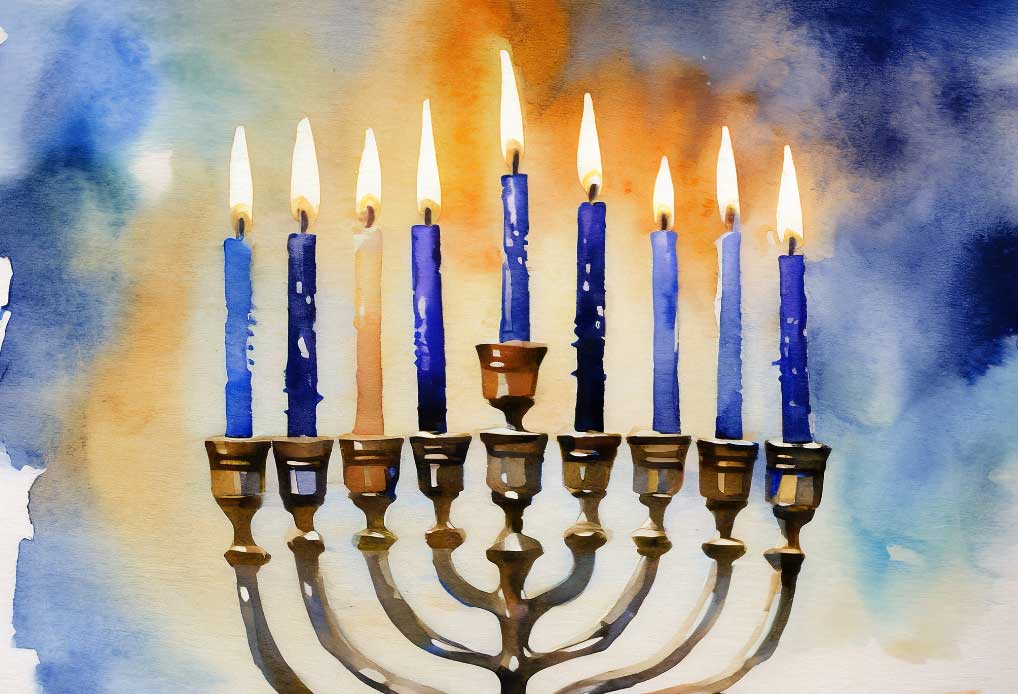
 As one of the oldest and most universally recognized symbols of Judaism, a menorah (“lamp” in Hebrew, “menorot” in the plural, and usually refers to oil lamps) serves as an ongoing symbol of the nation of Israel striving to be a “light unto the nations” (Isaiah 42:6). Menorahs are inclusive of the biblically commanded 7-branch menorah mentioned in Exodus 25, representing God’s eternal presence, though other variations of menorahs exist throughout different Jewish communities. The nine-branched menorah (“hanukkiyah”) is almost exclusively used for celebrating Chanukah.
Hanukkiyah
Expired
Hits: 4146
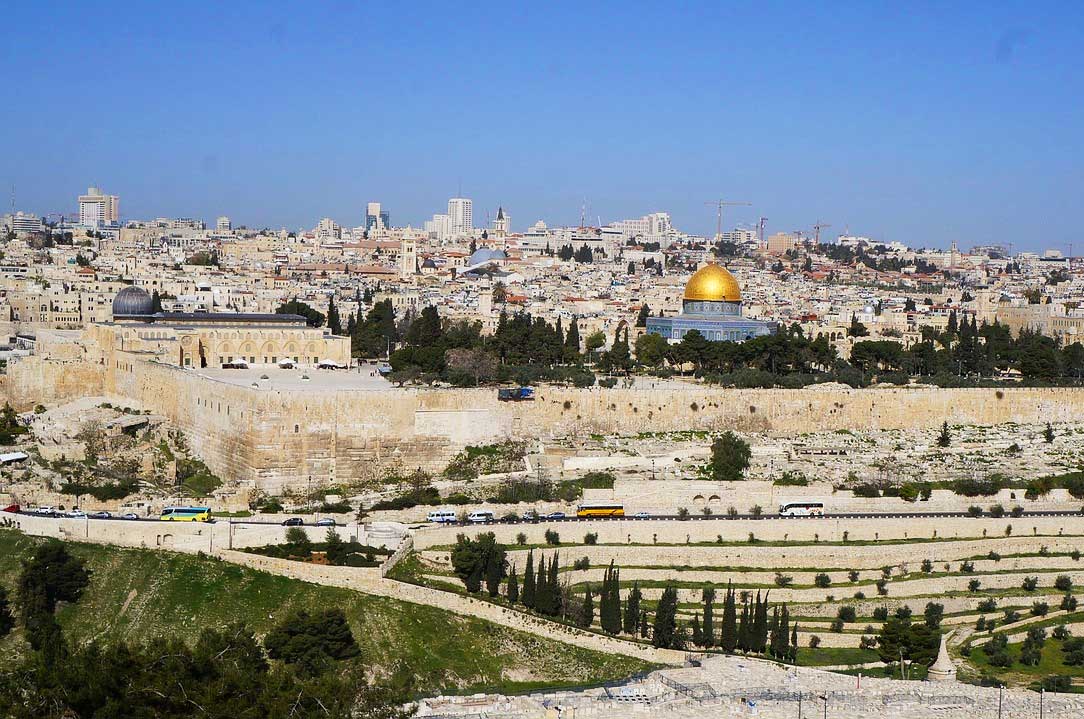 Yom Yerushaláyim, or Jerusalem Day, is one of four Israeli national holidays added to the calendar in the 20th century. Jerusalem Day is a jubilant occasion when the Israeli people triumphantly celebrate the reunification of East Jerusalem, including the Old City, with West Jerusalem after Jordanian occupation of the city, which ended with defiant Israeli victory in the Six-Day War of 1967.

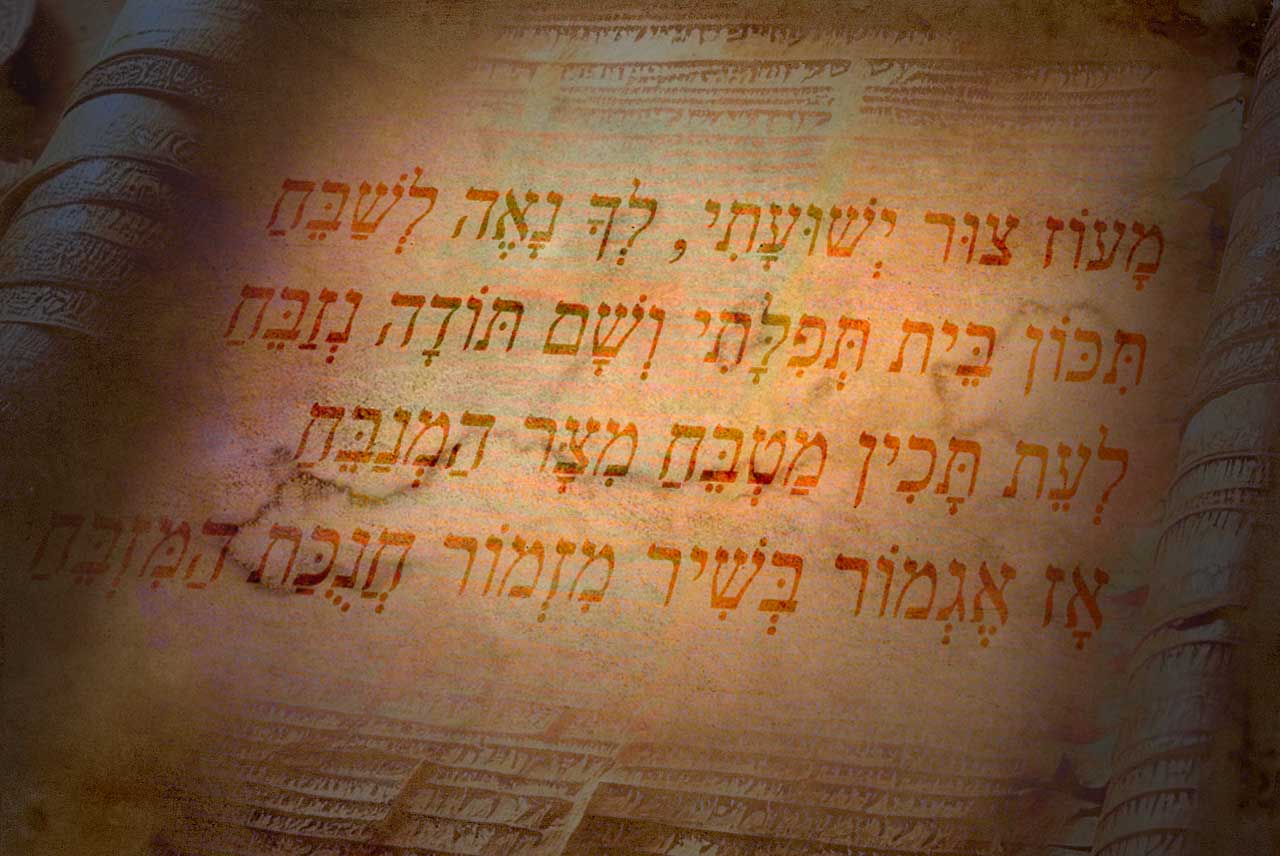 As one of the most popular Chanukah hymns and most well-known Jewish melodies, Ma’oz Tzur (“strong rock of my salvation” in English, with the name referencing the Hasmonean fortress of Beth Tzur) dates back to the Ashkenazi Jewish culture of the Crusades in the late 12th or possibly even early 13th century. The exact date is disputed.