
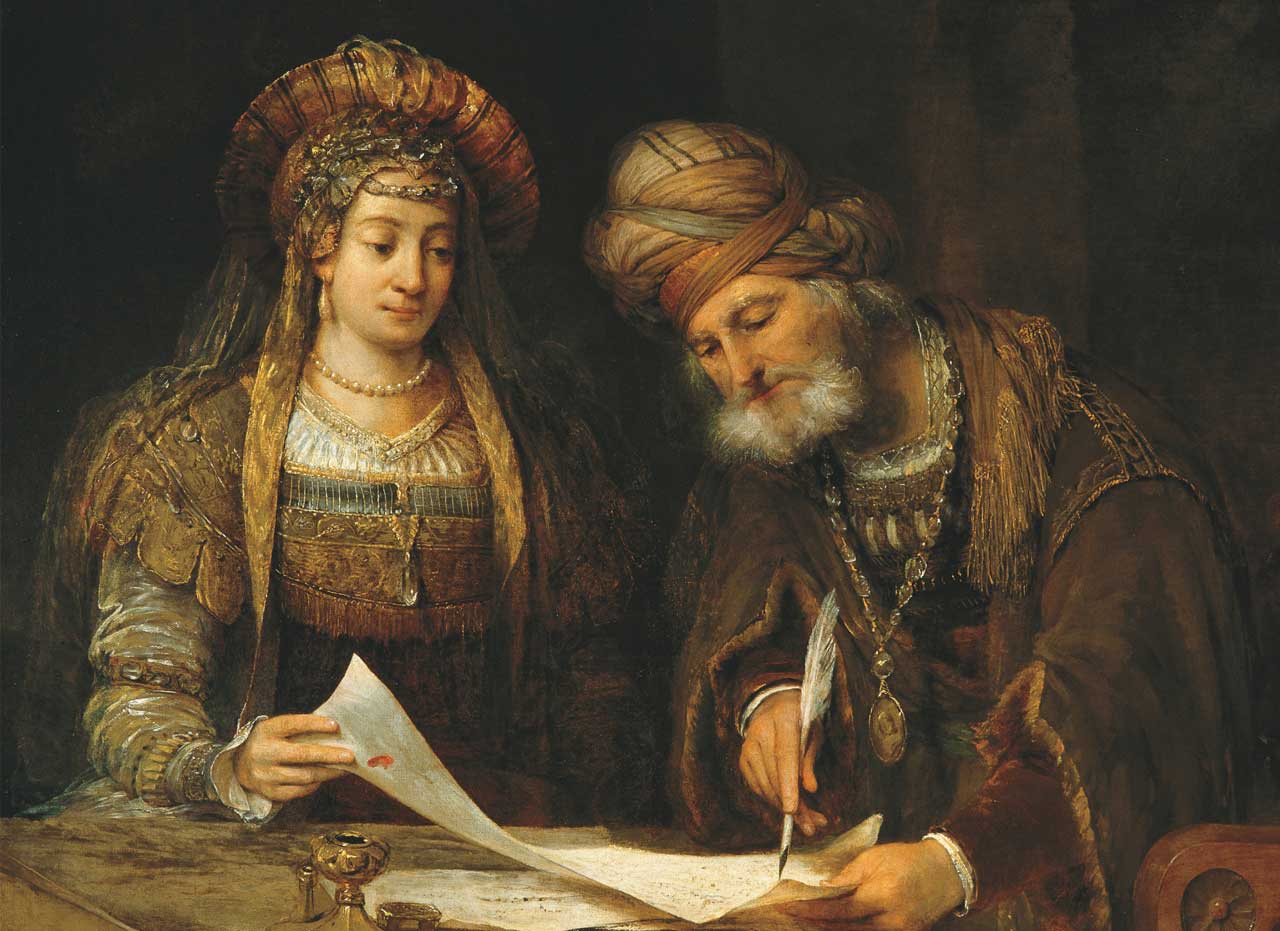
 Set in the land of the Persian city of Shushan, located in modern-day Iran, the story of Purim (“Festival of Lots,” as derived from the ancient Persian language) depicts the Book of Esther and Haman’s plot to exterminate all the Jewish people living in the Persian Empire.
Purim
Expired
Hits: 4058
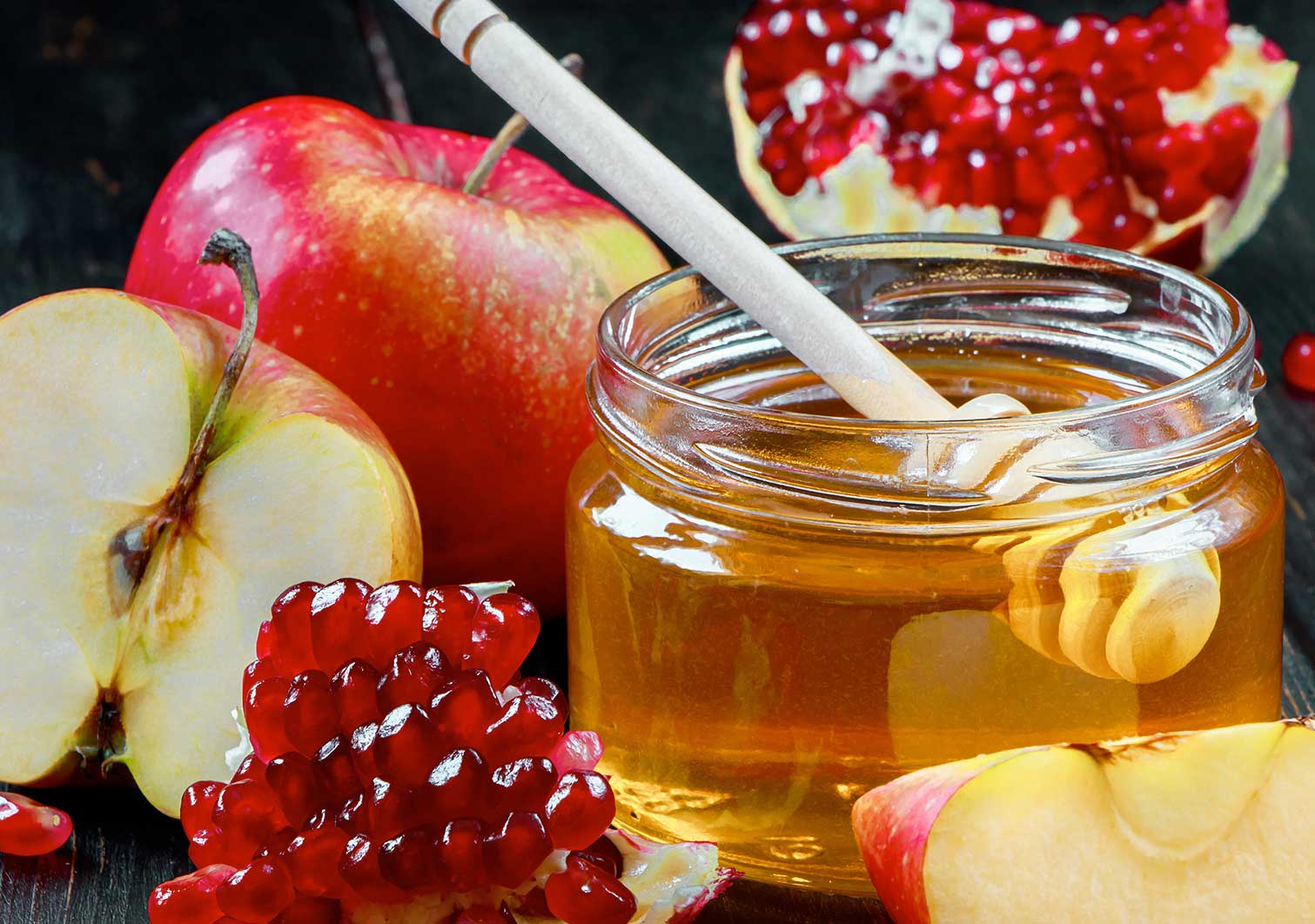 Rosh Hashanah, translating to "head of the year" or "first of the year," is commonly known as the Jewish New Year, occurring on the first and second days of Tishri. Commencing Yamim Nora’im (the High Holidays), this is a day dedicated to prayer, to joyous proclamations of God’s sovereignty as the King of the Universe, to festive gatherings of friends and family for meals, and to coming closer to God. It is a day of asking the Lord for a sweet new year filled with peace, blessings, mercy, and prosperity.
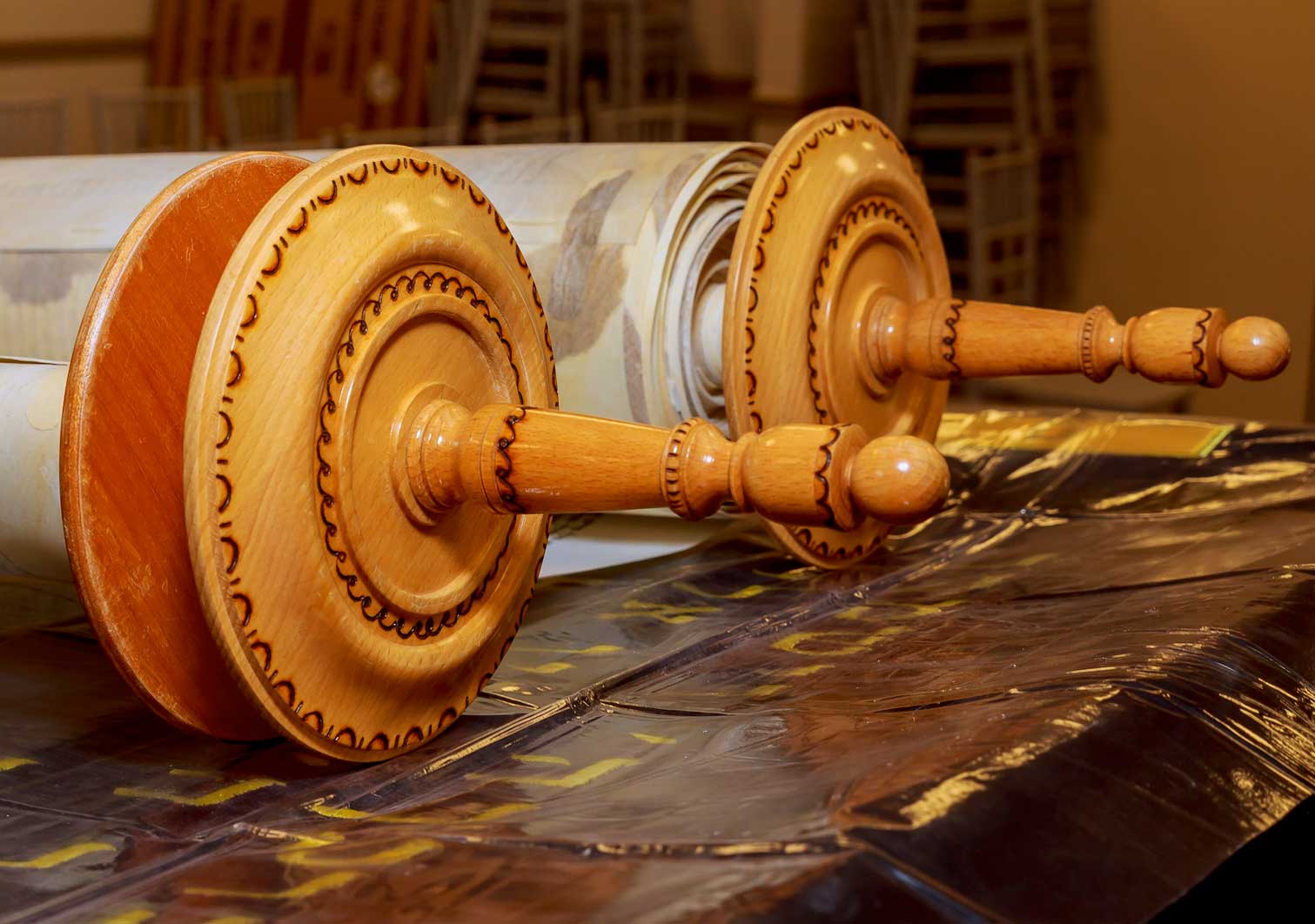 Simchat Torah ("rejoicing of the Torah"), most likely of medieval origins, is observed by the Jewish people on the last day of Sukkot. The overall theme of Simchat Torah is the spirited joy that the Jewish people feel toward Torah observance, an affirmation of the foundational role of the Torah in Jewish religious life, and the celebration of completing the annual cycle of Torah readings. which starts with Genesis 1 (Bereishit) and concludes with the final liturgical passage (parashah) of Deuteronomy 34 (Devarim), then the cycle repeats again starting with Genesis 1.
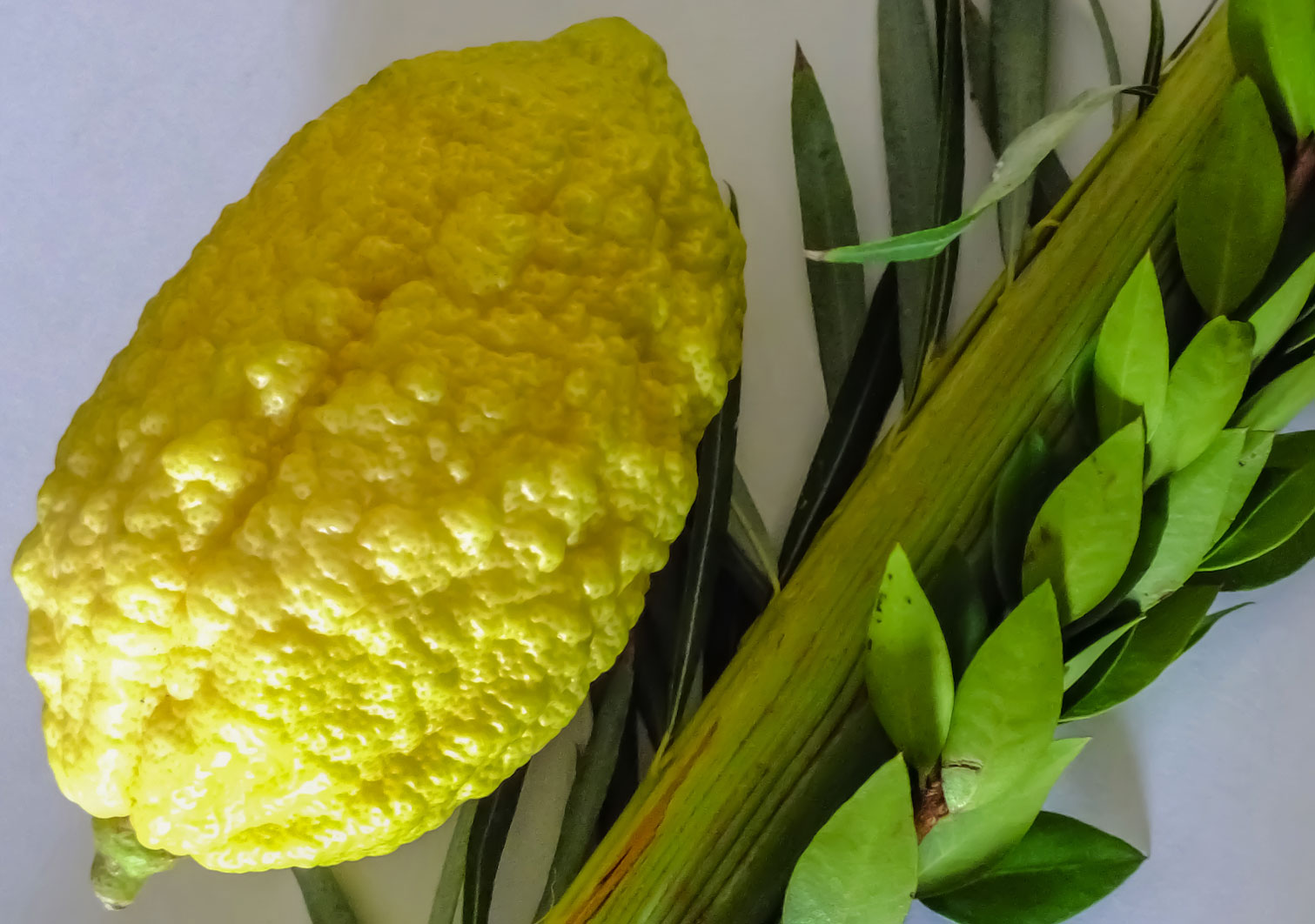 Transitioning from one of the most solemn to one of the most festive holidays, the weeklong Sukkot (Booths, Harvest Festival, or Feast of Tabernacles) celebrations begin each year five days after Yom Kippur, on the 15th Day of Tishri, based on Leviticus 23:24.