Articles

Elul

Hebrew Elul

Expired

Hits: 5890

 “See, this day I set before you blessing and curse: blessing if you obey the commandments of the Lord your God that I enjoin upon you this day; and curse if you do not obey the commandments of the Lord your God but turn away from the path that I enjoin upon you this day and follow other gods, whom you have not experienced.“

Deuteronomy 11:26-28

Elul is the final month on the Hebrew calendar prior to the commencement of Rosh Hashanah, or the civil Jewish New Year. While the High Holy Days themselves are commonly known as a time of repentance and forgiveness, the month of Elul is a month of spiritual preparation and personal reflection (cheshbon hanefesh, or the accounting of the soul) in anticipation of the High Holy Days.

In Jewish tradition, God cannot fully pardon our sins until we obtain forgiveness from the individual we may have wronged, so to ensure a Shanah Tovah, Elul is the time to begin asking for this forgiveness prior to the High Holy Days. Ultimately, Elul is a month of redemption, not just in the here and now as we seek to correct course with God’s teachings in His Torah, extend our hand of mercy to those in need via charity, and repair our broken relationships with one another, but also points toward the future redemption that the Jewish people look forward to in the Messianic era yet to come.

There are no festivals, memorial days, fast days, or days of simcha in Elul, and this was no accident, according to the sages. According to Jewish tradition, the Jewish people needed time to mentally and spiritually prepare for Rosh Hashanah and the themes of forgiveness and seeking apologies from others that would be ahead of us. Thus, there is a lack of distractions with other holidays on the Jewish calendar so that one can focus on the personal reflection needed to go forth with asking for forgiveness from others and God.

Some will cite Elul as a season of divine mercy when Moses received God’s forgiveness on behalf of the people for the sins involved in the golden calf incident. In Jewish tradition, Moses went to Mount Sinai on Rosh Chodesh Elul to prepare the second set of tablets after the golden calf incident and descended from Mount Sinai on the 10th of Tishri (the end of Yom Kippur) when the fate of one’s soul is sealed (Exodus 34:1, 27–28; Deuteronomy 10:1–5). Including these themes as a month of mercy and forgiveness, Elul is Jewish primetime for teshuvah, prayer, charity, increased ahavat Yisrael (love for a fellow Jew), introspection, and seeking the face of God.

Fascinatingly, the four Hebrew letters that comprise the name "Elul" are an acronym, Ani l’dodi v’dodi li ("I am my beloved’s and my beloved is mine), as found in Song of Songs 6:3. The term "Elul" first appears in Nehemiah 6:15 in the Hebrew Bible. As the Song of Songs allegorically portrays the love story between God (the Beloved) and Israel (the "I"), it could be said Elul is a time to recommit our lives to He who should be our Beloved—our First Love, Our Father Who Art in Heaven.

"Like two lovers who may have become distant, we yearn to be in a stronger relationship with each other,"

Rabbi Rachel Gurevitz wrote on this concept of Elul and the Song of Songs

"Now is the time that all my thoughts should be directed towards my Beloved (God); then, my Beloved is also to me; my Beloved helps, assists, and cares for me,"

 Aruch HaShulhan (a rabbinic teaching of Rabbi Yechiel Michel Epstein during the 19th century)

In Aramaic, Elul means "to search," which is also fitting as one searches his or her heart for any roadblocks between his or her ways and God’s ways. Elul is very much dedicated to introspection, personal growth, and strengthening one’s relationship with not only man but with the eternal.

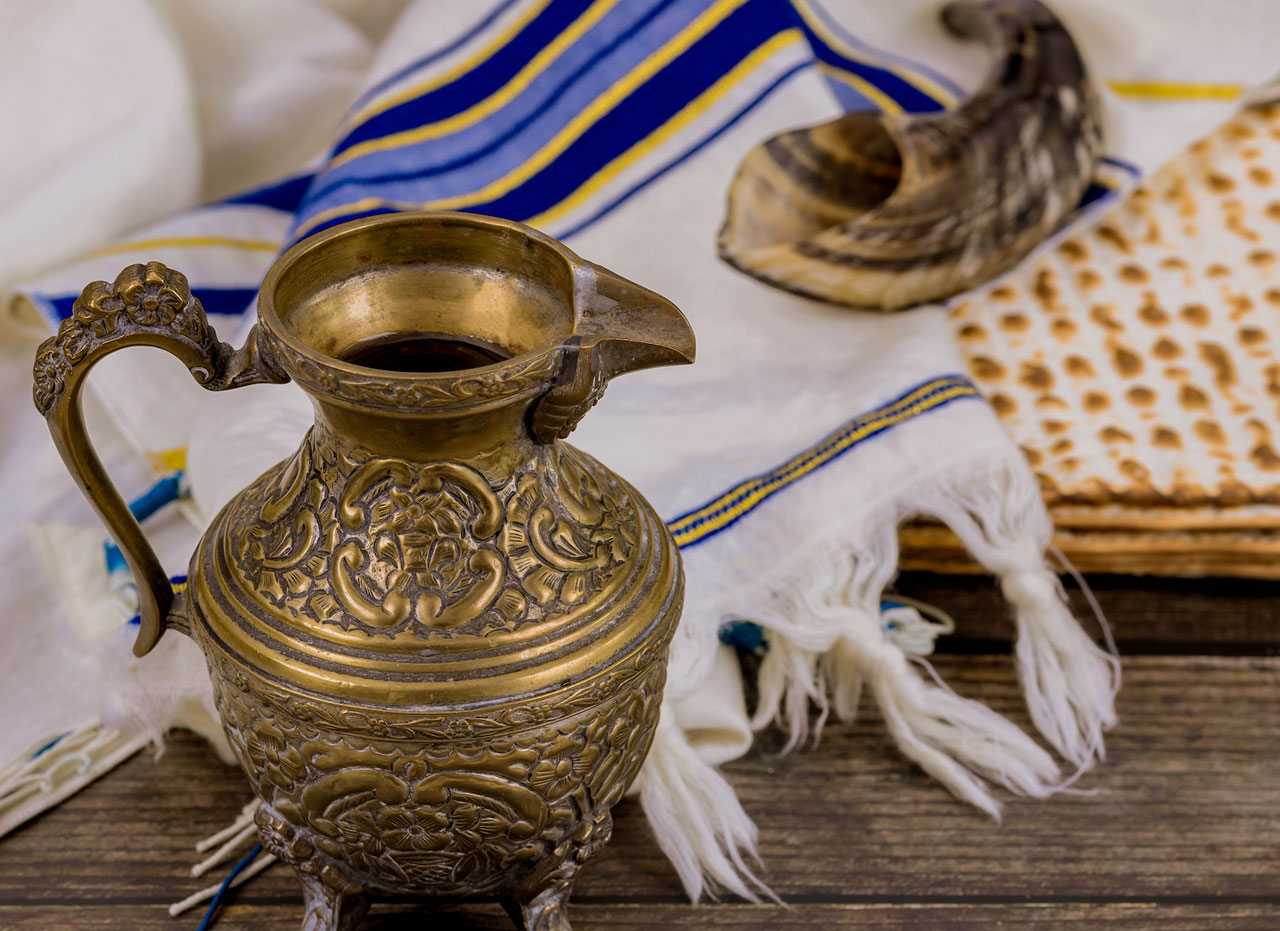
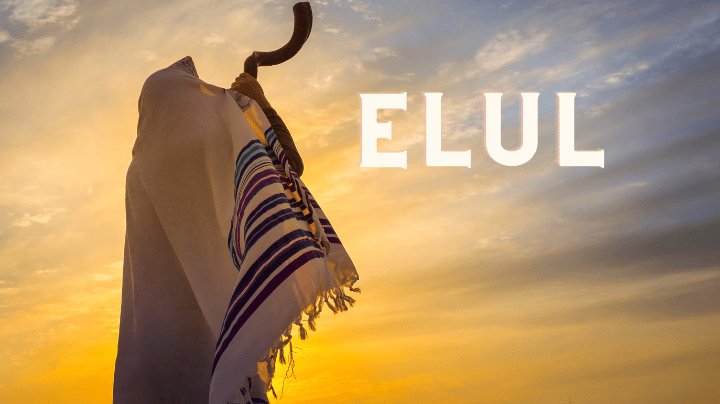
During Elul, it is customary to hear the shofar blowing each weekday (and certainly not on Shabbat, per rabbinic teachings) at the conclusion of morning services at one’s local synagogue. The shofar blasts, usually tekiah, shevarim-teruah, and tekiah, are to remind us of the impending judgment and the need to wake up from one’s slumber and repent. As Maimonides wrote about the shofar-blowing traditions of Elul, "Awake all of your who are asleep. Search your ways and mend them in repentance."

Some congregations may also include Selichot prayers (prayers for forgiveness) in their daily cycle of religious services, which are recited at midnight on the first night of Elul, usually in a large community service setting following a sermon by the rabbi, and in the early morning on the following days prior to the normal daily shacharit service. These additional prayers mean that services last about 45 minutes longer than usual.

It is also traditional during Elul for congregations to recite Psalm 27 daily. The tradition seems to originate in Rabbi Binyamin Benish Cohen’s work, Sefer Shem Tov Katan, published in 1706. According to his writings, to whomever recites Psalm 27, God will impart holiness, purity, concentration, and answers to his or her prayers. A few, however, cite an alternative tradition involving 16th-century mystics reciting Psalm 27 during the High Holy Day season. Regardless of the origins of incorporating Psalm 27 into Elul traditions, how it may be incorporated into synagogue services varies. Some may simply recite it after the morning and afternoon prayers. Others will incorporate it into the morning service after the song of the day but before the Aleinu.

Each congregation will have their own traditions, as this is not something scripturally mandated, but regardless of implementation, Psalm 27 is usually recited during the duration of Rosh Chodesh Elul through either Rosh Hashanah, Yom Kippur, Sukkot, or perhaps even Simchat Torah or Shemini Atzeret, depending on the congregation.

A key part of the selichot service is the recitation of the thirteen attributes of God’s mercy that Jewish tradition says were revealed to Moses after the golden calf incident. Some of these attributes include HaShem, God, mercy, grace, longsuffering, abundance in goodness and truth, keeping mercy unto the thousandth generation, forgiving iniquity, forgiving transgression and sin, and He who cleanses and purifies our souls. HaShem and God count as different attributes because different names for the same Creator imply different characteristics of God.

In terms of other traditions, some may write letters to their friends or family or arrange to meet with friends or family, including the greeting "ketivah vachatimah tovah," which translates to "May you be inscribed and sealed for a good year." Three additional chapters of Psalms may be recited each day, spanning the month of Elul and lasting through Yom Kippur. Some Jewish faithful may arrange to meet with an accredited scribe to verify that their tefillin and mezuzot are in good condition and do not have any defects that would render them scripturally unacceptable or otherwise invalid before God.

Some people will visit cemeteries at this time, as that is a setting where people often reflect on their own mortality and whether their hearts are right with God as to whether they will spend eternity in the New Jerusalem or asleep in the dust forever.

Jewish tradition will describe the month of Elul with the phrase, "The king is in the field." This is an analogy based on rabbinic teachings explaining the relationship between God and humanity. "For the average man (or woman), the king is inaccessible, away in his palace, distant and removed," Rabbi Chaim Richman describes it. "He never dreams he will actually see the king, let alone speak with him. Then suddenly, one day, while this man is bent over his menial labor in the field, he feels a gentle tap on his shoulder. He turns around, and to his shock, it is the great king himself who is standing over him." This has been extrapolated to the month of Elul, where the king is analogous to God, and during this month prior to Rosh Hashanah, God comes to earth from a faraway, distant place otherwise known as Heaven to join us humans on earth in the "field." Thus, Elul has become a month in which Jewish people believe that God and humans on earth can deepen their relationship.

As disciples of Yeshua who may not be Jewish, our faith does not provide access to an equivalent of the Days of Awe automatically built into our religion. That does not mean that forgiveness or making amends with one another and with God are not necessary. For us as believers, it means we have to be more intentional in taking the time to make amends, searching our hearts, studying our Bibles, and seeking God with all our strength and all our hearts as we seek His ways and not our ways. We do not have the communal setting or the traditions integrated into our church to put it on everyone’s radar. There are not as many sermons from many Christian churches that emphasize these messages and themes as there are in Jewish tradition.

For those of us who are disciples of Yeshua, forgiveness should be extended to all, whether that person repents or asks for our forgiveness or not, for we know from scripture that if we do not forgive, God will not forgive our sins. Yet may we not fall into the traps of cheap grace, especially in physically, emotionally, verbally, or sexually abusive situations, allowing ourselves to be manipulated by messages of "forgiveness" when the offender has not truly changed his ways. Forgiveness is not the same as reconciliation. In some cases, one can and should, in time, come to forgive, but the most merciful thing is to have no further contact with an individual if the individual is unrepentant. Forgiveness is not a blank check for someone to continue offending while manipulating scripture to demand forgiveness.

Forgiveness does not mean returning to unhealthy or abusive relationships, and sometimes offenders may need to take further steps before reconciliation is possible, if it is ever possible. Forgiveness is commanded in due time and should not be rushed, but due to the sinful nature of a fallen world, reconciliation is not always possible. While forgiveness is essential per the teachings of Yeshua, may it not be twisted into a message manipulating someone to reenter an unhealthy situation.

As believers who believe the Coming of Our Lord is near and that the final trumpet blast is nigh, may we forgive all those who have offended us, regardless of whether they are repentant or not, regardless of whether reconciliation is possible at this time or not, such that our hearts are pure and we can stand ready and undefiled upon the soon return of our Messiah and Redeemer of Israel, Yeshua HaMashiach, the only hope for all of Yisrael.
 

Honoring Jewish Heritage, Building Adventist Friendships

Expired

Hits: 3894

Honoring Jewish Heritage, Building Adventist Friendships


As spring breathes new life into coastal Maryland and the iconic cherry blossoms bloom in soft splashes of pink and white, it is a time of new beginnings. In the heart of it all, one church is embracing a fresh approach to community outreach. With the Jewish holidays of Purim and Passover fast approaching, Dustin Bray has created a series of educational and spiritually enriching handouts designed to help church members better understand Jewish traditions and to build meaningful connections with their neighbors of Jewish faith.


The Chesapeake Bay region, with its mix of coastal charm and rich cultural history, offers the perfect backdrop for Dustin’s initiative. The air is filled with the scent of challah from Jewish bakeries, the savory kick of Old Bay seasoning wafting from nearby crab shacks, and the crisp, briny breeze off the water. Across this diverse region, from active Jewish communities to neighborhoods rich in tradition, church members have unique opportunities to build relationships that bridge faith and culture.


Dustin’s handouts do more than educate; they provide practical, culturally sensitive ways for church members to engage with their Jewish neighbors. Each handout highlights a key holiday or theme from the Jewish calendar, offering clear steps to build relationships and demonstrate care in ways that respect Jewish traditions.


A Purim Invitation to Connect


The first handout, Personal Purim Outreach, introduces readers to the joyful Jewish holiday of Purim, which commemorates the biblical story of Esther. In a clear and engaging format, Dustin explains the holiday’s history and meaning, offering simple ways Christians can reach out.


Dustin’s handouts also include tips for attending the lively Megillah reading of Esther in a synagogue, which is often an immersive experience. Guests often don elaborate costumes adorned with sparkling sequins, infusing a sense of carnival into the event. Groggers, noisemakers used to drown out Haman’s name, fill the air as a joyful symbol of the victory of good over evil. Bold colors of masks and shimmering decorations enhance the festive atmosphere, blending celebration with the deeper spiritual themes of deliverance and hope.


Throughout, Dustin highlights the importance of approaching these interactions with genuine respect and care, ensuring that each outreach is thoughtful and deeply considerate of Jewish traditions. He encourages church members, when invited, to be mindful of synagogue etiquette, including dressing modestly and maintaining quiet reverence during prayer times. These small but meaningful actions serve as powerful expressions of respect.


“Purim is a lighter, more festive occasion,” Dustin noted. “It’s a great chance to express love and show support for the Jewish people. These small gestures can make a big difference.”


Dustin recalls his own experience celebrating Purim in an Orthodox Jewish community. “With just a little preparation, I was ready to celebrate alongside my neighbors. Instead of the traditional Purim candies, I assembled five small gift bags filled with a variety of fruits from Costco. It was a healthy, kosher, and economical choice,” he shared. When Purim arrived, Dustin met a friend at the local Chabad house for the Megillah reading and spent the rest of the day distributing gift packages to neighbors. “It was a huge success. I had more meaningful conversations with my neighbors that one day than in the entire year,” he added.


For Dustin, Purim provides a unique opportunity to connect with Jewish neighbors, and you do not need to be an expert in Jewish culture to make an impact. All it takes is a genuine desire to show kindness and respect. He encourages everyone to participate in Purim outreach, saying, “We all have Jewish friends and neighbors, and celebrating Purim is a simple yet meaningful way to show support and strengthen our relationships with them.”


Additionally, Dustin highlights the value of offering help with preparations or clean-up, simple gestures that foster goodwill and strengthen relationships within the community. By engaging in these acts of kindness, church members can honor the holiday’s spirit while deepening their Jewish friendships, demonstrating both respect and a commitment to understanding.


A Passover Experience for the Whole Church


As the lighthearted joy of Purim fades into the solemnity of Passover, Dustin introduces a second handout, Passover: The Celebration of Liberty, which encourages deeper spiritual reflection on this sacred holiday. Passover provides a meaningful opportunity to explore the rich spiritual and symbolic connections between Jewish tradition and the Christian faith. This handout helps church members host a Passover-themed educational event, featuring Bible studies, presentations, and a communion-style seder meal that connects the ancient customs of the Passover Seder to the story of salvation in Jesus.


“Passover is a time of reflection and renewal,” Dustin shared. “It’s a perfect opportunity for us to better understand the heritage of our faith and honor the story of God’s deliverance, both then and now.”


These materials illuminate the meaning behind the Passover table's symbolic items, from the unleavened matzah to the bitter herbs, sweet charoset, and salty water. Each food represents profound themes of freedom, redemption, and sacrifice, connecting past struggles with present hope. Church members gain insight into the Jewish foundations of their faith, discovering the common threads of deliverance, hope, and renewal shared by both traditions.


For those looking to take the next step, Dustin offers more ways to engage:


  • Host a Seder Meal: Organize a seder meal that includes symbolic foods like matzah (unleavened bread), maror (bitter herbs), and charoset (a sweet mixture of apples, nuts, and wine). Use Dustin’s handouts to explain the meaning behind each item and discuss how these elements point to spiritual truths in the Christian faith.


  • Bible Study on Exodus: Lead a Bible study focusing on the book of Exodus, exploring the themes of deliverance, sacrifice, and salvation. Emphasize how these themes resonate both in Jewish and Christian traditions, drawing connections between the Passover story and the death and resurrection of Jesus.


  • Invite a Jewish Friend: If you have Jewish neighbors, invite them to your Passover seder as an opportunity to engage in meaningful conversation and share the significance of the holiday. Be sure to ask questions about their traditions and listen with respect.


Freedom and Justice in the Adventist Message


Abolitionism is deeply rooted in the Adventist message, from Sojourner Truth’s advocacy for freedom to Ellen G. White’s strong condemnation of slavery as a sin. Both saw slavery as a moral and spiritual crisis, linking it to the Biblical story of Egypt and God's call for deliverance. Though slavery was abolished, modern human trafficking continues to enslave millions worldwide. This ongoing injustice, while not diminishing the significance of other pressing issues, calls us to persist in the fight for freedom.


One of the key insights from Dustin’s educational materials draws a clear connection between Adventism and the Abolitionism. This reflection invites us to remember the oppressed in prayer, and it challenges us to consider how we can continue the fight for freedom, extending liberation to those still enslaved today.


Contextualizing Jewish Traditions within Adventism


Dustin’s materials resonate deeply with the broader perspective of the Adventist Church, as articulated by the World Jewish Adventist Advisory. This group recognizes the celebration of Jewish holidays and feasts as a meaningful form of contextualization in reaching out to the Jewish community. However, they make an important distinction: these observances should not be seen as a literal practice of Levitical rituals. The Advisory stresses that continuing ceremonial sacrifices in such a manner would negate the role of the Messiah, Yeshua, and His fulfillment of those very rituals.


“The festivals and fasts today serve an important and instructional function in light of His sacrifice,” the Advisory notes, emphasizing that these feasts help both Jews and non-Jews alike experience the key biblical narratives, enriching spiritual growth. “Marking these key events helps participants personally identify with the plan of salvation, engaging both the body and the mind in true worship.”


Furthermore, the Advisory does not teach that observance of Jewish customs, traditions, and practices associated with the feasts is obligatory. It acknowledges that these feasts find their ultimate meaning in the ministry of the Messiah, and while they provide valuable instruction, participation is not required for salvation. Engaging with these practices, whether by marking the rhythms of joy during the feasts or simply experiencing them through thoughtful observance, enhances Adventist spiritual life.


Importantly, the Advisory also affirms that Jews who join the Seventh-day Adventist Church need not relinquish their cultural and spiritual identity. “We do not believe that it is necessary for Jews to relinquish either their identity as Jews or their spiritual and cultural traditions, if they affiliate with the Seventh-day Adventist Church,” the Advisory states.


Walking in Understanding and Love


Dustin’s handouts reflect thorough research and a compassionate approach. They go beyond being simple lesson plans, inviting church members to engage with curiosity, care, and love that reflect Christ's teachings. By embracing these thoughtful steps, church members can build stronger relationships with the Jewish faith community, deepen their understanding of Jewish traditions, and express love in meaningful, tangible ways.


Whether motivated by the upcoming holidays or the desire to form lasting connections, Dustin’s work shows that even the smallest gestures can leave a lasting impact. Here are a few practical steps anyone can take:


  • Spread the Joy of Purim: Consider greeting your Jewish neighbors with a cheerful “Happy Purim” or sharing kosher- certified treats like cookies or chocolate. It’s a simple way to show support and build goodwill. You could also send a greeting card that highlights the joy and festivity of the holiday.


  • Attend a Synagogue Service: For a more immersive experience, visit a local synagogue to witness the Megillah reading of Esther. Your presence can be a sign of respect and a step toward understanding Jewish traditions more deeply.


  • Host or Attend a Passover Event: Organize a Passover-themed event at your church or home. Using Dustin’s handouts as a guide, you can create a meaningful experience by leading Bible studies, sharing a communion-style seder, and exploring the deep spiritual connections between Jewish and Christian traditions.


  • Provide Practical Resources: If you want to make your outreach even more impactful, Dustin’s handouts include helpful resources like synagogue etiquette guides, kosher food tips, and links to traditional readings. These resources can guide you in ensuring your outreach is thoughtful and culturally respectful.


Dustin’s thoughtful approach has empowered his church community to connect meaningfully with the greater Jewish community. Focused on kindness, understanding, and open-hearted dialogue, the community is dedicated to learning, sharing, and building strong relationships. This outreach is not about conversion, but rather promoting mutual respect and understanding. By creating a foundation for lasting connections, their efforts extend beyond the holidays, sustained by sincere love and spiritual sensitivity.


If you want to bring this same spirit of understanding to your own community, check out Dustin's resources.

Israel and the Church

Expired

Written by: Alexander Bolotnikov PH.D
Hits: 7463

Early Christianity and its significance for Seventh-day Adventist theology

Early Debates and Their Impact on Seventh-Day Adventist Theology 

The role of Israel in the plan of salvation and in present-day events presents one of the most hotly debated topics in Christianity. Throughout the two thousand-year history of Christianity, this debate has continued. This discussion is deeply rooted in the historical events that occurred during the period of the Jewish-Roman wars between the destruction of the Temple (70 AD) and the Bar Kohba rebellion (136 AD).

Israel Yesterday, Today and Tomorrow

Expired

Written by: Alexander Bolotnikov
Hits: 5191

A Jew meets Christianity

It was a beautiful summer Sunday in 1985. My friend Victor and I, two high school students, lazily strolled through the streets of Kiev, trying to kill a few hours before boarding our train home. Suddenly we heard very unusual sounds for our ears—singing coming from one of the distant corners of the square. When we came through the arch, we arrived at the doors of a Russian Orthodox cathedral.

Jesus the Jew

Expired

Written by: Alexander Bolotnikov
Hits: 4514

An interesting story happened more than 100 years ago in Germany. Rabbi Abraham Geiger presented a book that described Jesus in the context of Judaism. For the first time in almost 2,000 years of difficult Jewish-Christian relations, a rabbi opened the Gospel, examined it, and expressed a positive opinion about Jesus.