
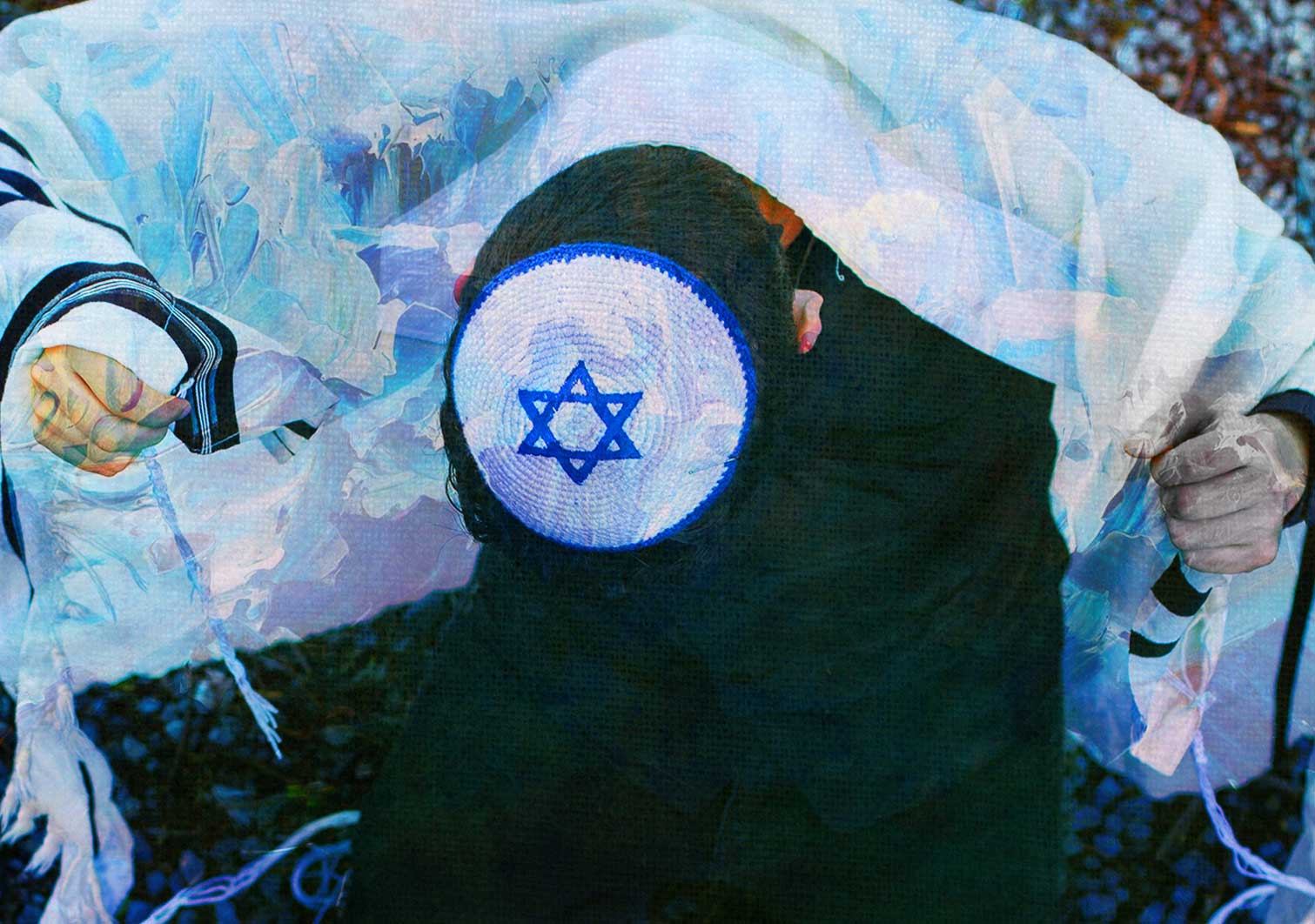
Avinu Malkeinu ("Our Father, Our King") is an ancient litany recited daily during Aseret Y’mei Teshuva, or the Ten Days of Awe (with an exception on Shabbat when this prayer is omitted from the liturgy), and also on other Jewish fast days throughout the year. The prayer powerfully speaks of a God who is an all-powerful, eternal father or parent watching over us all with the loving kindness and tender mercy that one would expect from a loving parental figure. Avinu is translated as our Father, Parent, or Merciful One, and Malkeinu is translated as our King.
 On the 25th of Kislev are the days of Chanukah, which are eight. These were appointed a Festival with Hallel [prayers of praise] and thanksgiving. (Shabbat 21b, Babylonian Talmud)
 Many are familiar with the Jewish holidays of Rosh Hashanah (occurring on Tishri 1 and 2) and Yom Kippur (occurring on Tishri 10), but fewer are familiar with Aseret Yeme Teshuva, also known as the Ten Days of Penitence or the Days of Awe. The Days of Awe refer to ten days of repentance and renewal that commence upon sundown on Rosh Hashanah and conclude on Yom Kippur. This is an annual season of making atonement not only with God but also with fellow human beings, insofar as it is within our abilities.
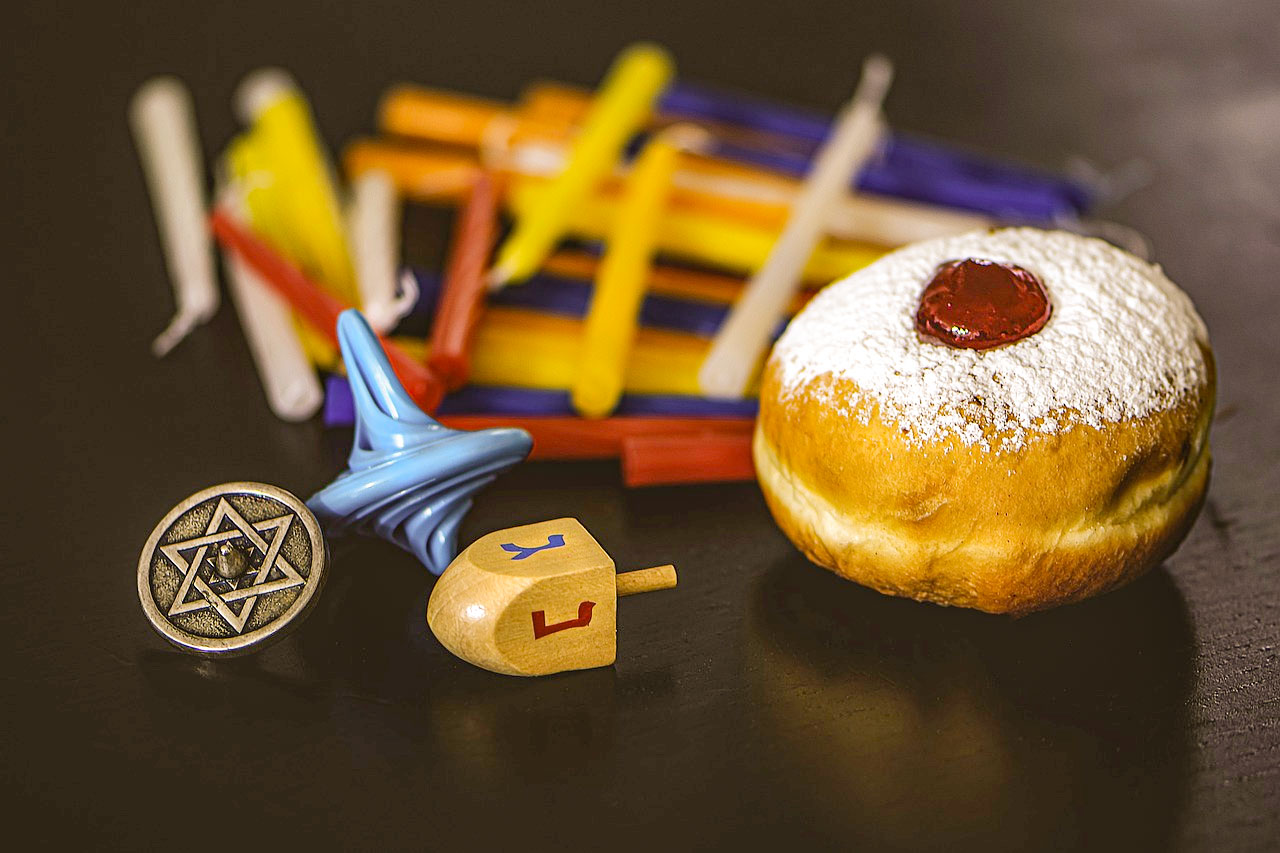 Most everyone in the world knows that the Jewish people play with dreidels during Chanukah. Dreidel is a Yiddish term, with “drei” meaning turn; sevivon is the Hebrew term for the same four-sided spinning top. The word sevivon was coined by Itamar Ben-Avi, the young son of Eliezer Ben Yeshua, who is believed to be the lexicographer of the modern Hebrew dictionary and editor of one of the first newspapers in Israel. Interestingly, the term sevivon did not exist until the 19th century, and there does not seem to be any record of other known terminology for the spinning top in Jewish history prior to this time. In such places as England or Ireland, a similar concept to the dreidel exists but goes by the name of “totum” or “teetotum.”
 "See, this day I set before you blessing and curse: blessing if you obey the commandments of the Lord your God that I enjoin upon you this day; and curse if you do not obey the commandments of the Lord your God but turn away from the path that I enjoin upon you this day and follow other gods, whom you have not experienced." Deuteronomy 11:26-28